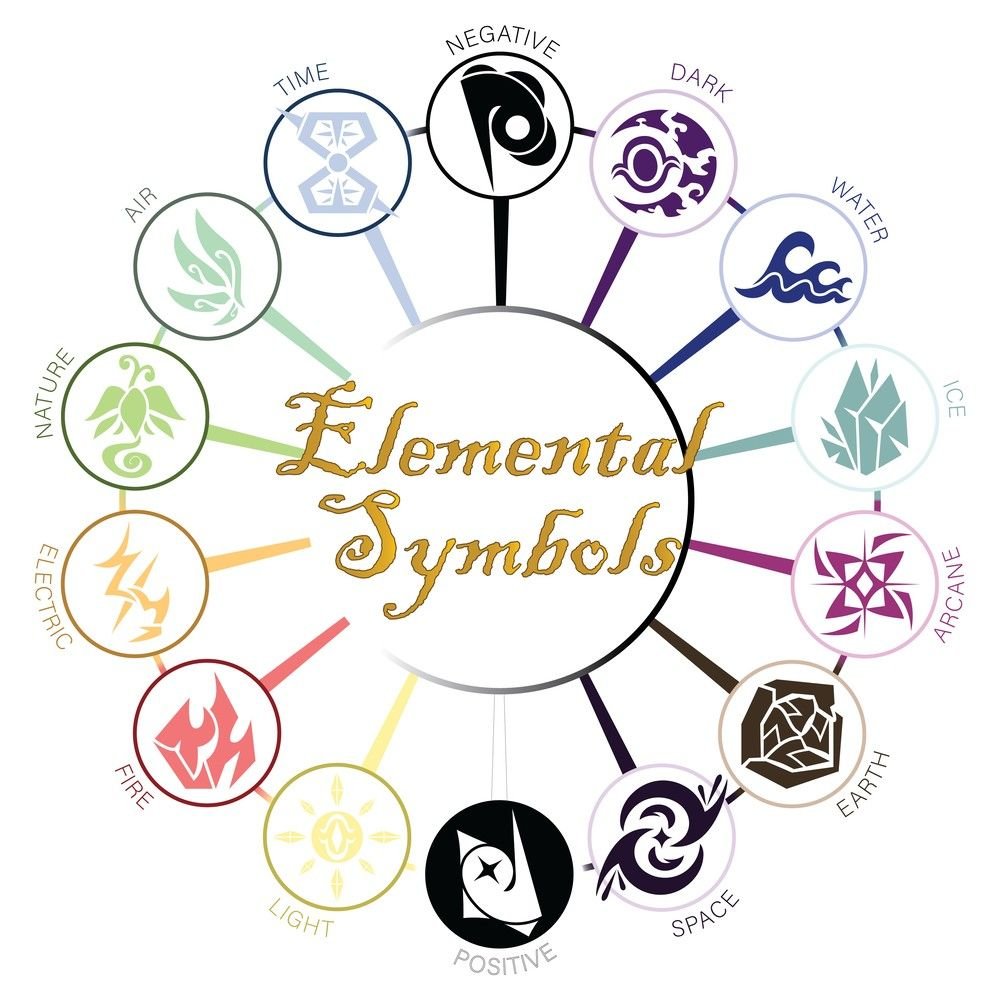
Crafting a vibrant fantasy world means more than just inventing new creatures or complex magic systems; it demands attention to the institutions that shape its very fabric. Chief among these are the various Types of Magic Schools & Their Ideal Naming Conventions, which act as beacons of power, culture, and conflict. A well-named academy can instantly communicate its purpose, its prestige, and even its secrets, drawing readers deeper into your lore.
At a Glance: Crafting Unforgettable Magic School Names
- Align Name with Purpose: Ensure the name reflects the school's magical focus and its overall atmosphere.
- Balance Length & Memorability: Aim for names that are evocative but not overly long or hard to pronounce.
- Embrace Thematic Depth: Weave in elements like mythology, nature, or unique magical specialties.
- Consider World-Building Impact: A school's name influences its political standing, alliances, and public perception.
- Avoid Common Pitfalls: Steer clear of generic terms, unintentional innuendos, or names that clash with existing lore.
- Test Aloud: Say names out loud to catch any awkwardness or hidden meanings before committing.
The Arcane Address: Why a Magic School's Name Truly Matters
Before a single spell is cast or a potion brewed, the name of your magic school casts its own kind of enchantment. It’s the first impression, a whisper of the power contained within, and a crucial piece of your world-building puzzle. A compelling name doesn't just look good on a parchment; it hints at the very essence of the magic taught, its atmosphere, and its place in the wider world. Think of names as miniature narratives, each carrying the weight of history, ambition, or ancient secrets.
When you're building a world, institutions like magic schools become crucial power players. They cultivate unique political and social networks, with their students and alumni serving as powerful ambassadors—or formidable rivals. A name can immediately signal whether a school is revered, feared, or quietly respected, shaping regional power dynamics and even dictating trade routes. For instance, a school named after a revered deity might command widespread respect, while one bearing a shadowy moniker could inspire suspicion or illicit curiosity.
Mapping the Arcane Curriculum: A Deep Dive into Magic School Types
Magic isn't a monolith; it's a spectrum of energies, disciplines, and philosophies. Just as a modern university has distinct departments, magic schools specialize. Understanding these specializations is the first step toward crafting a name that truly resonates. Let's explore some core types of magic schools and the naming conventions that suit them best.
The Elemental Enclaves: Mastering the Primal Forces
Elemental magic is often the foundation of many fantasy worlds, dealing with the raw power of nature. Schools dedicated to these forces tend to have names that reflect strength, fundamental truths, and the specific elements they control.
Pyroclast Academies: Forged in Flame
Focus: Harnessing fire through meticulous control, shaping flames into weapons and barriers.
Essence: Destructive potential, purification, rebirth, intense focus.
Ideal Naming Conventions: Names should evoke heat, light, danger, and precision. Consider fiery adjectives, terms related to forging or creation through heat, or references to mythical fire entities.
Examples:
- Crimson Flame Academy
- The Cinderheart Conservatory
- Pyreforge Institute
- Scorched Earth University (if combining fire and earth)
- The Emberglow Citadel
Aquaform & Tidalyn Institutes: The Way of Water
Focus: Aquaform manipulates water's multiple forms (ice, mist, liquid); Tidalyn manipulates ocean currents and tidal forces for navigation and coastal defense.
Essence: Adaptability, fluidity, depth, hidden power, healing, relentless force.
Ideal Naming Conventions: Embrace words associated with oceans, rivers, lakes, ice, and movement. Names can convey serenity, immense power, or intricate control.
Examples:
- Azure Stream Academy (Aquaform)
- Glacial Veil School (Aquaform, ice specialization)
- The Tidal Reach College (Tidalyn)
- Deepcurrent Sanctum (Tidalyn)
- Whispering Falls Institute (Aquaform, subtle water magic)
Stormforge & Voltaris Schools: Riders of the Tempest
Focus: Stormforge emphasizes balancing storm elements (rain, thunder, lightning); Voltaris delves into electrical magic (lightning strikes, surges for energy).
Essence: Raw power, dynamic energy, unpredictability, controlled chaos, illumination.
Ideal Naming Conventions: Names should sound powerful, electric, and dynamic. Use terms related to storms, lightning, thunder, energy, and weather phenomena.
Examples:
- The Stormforge Citadel
- Thunderstrike Academy
- Voltaris Conflux
- Sky's Fury Institute
- Brightspark College
Terrabound Sanctuaries: Rooted in Earth
Focus: Studies earth magic, shaping stone and soil for defensive structures or agricultural enrichment.
Essence: Stability, resilience, growth, protection, connection to nature's bedrock.
Ideal Naming Conventions: Names should convey solidity, endurance, and deep connection to the land. Use words related to stone, soil, mountains, roots, and growth.
Examples:
- Stonehaven Academy
- The Terrabound Vault
- Root & Spire College
- Glimmerock Institute
- Earth's Embrace Conservatory
Zephyra & Verdantia Academies: Breath and Bloom
Focus: Zephyra focuses on winds (mastering air's flow for mobility, communication); Verdantia focuses on plant life (accelerating growth, nature healing, herbal concoctions).
Essence: Zephyra (freedom, intellect, movement, subtlety); Verdantia (life, growth, healing, interconnectedness).
Ideal Naming Conventions: Zephyra names should be airy, fluid, and suggestive of movement. Verdantia names should be lush, green, and hint at vitality and natural cycles.
Examples:
- Zephyrwing Academy (Zephyra)
- Whispering Gale School (Zephyra)
- Verdant Glade Institute (Verdantia)
- The Bloomwood Conservatory (Verdantia)
- Greenheart College (Verdantia)
Cosmic & Esoteric Institutions: Beyond the Tangible
Some schools reach beyond elemental forces, tapping into celestial energies, illusions, or even the very fabric of reality. These schools often suggest a more cerebral, mysterious, or abstract form of magic.
Astralflux & Prismatics: Starlight & Illusion
Focus: Astralflux combines elemental magic with celestial phenomena, channeling star energies; Prismatics explores light and its manipulation through color, using refracted energy for illusions or shields.
Essence: Astralflux (cosmic connection, prophecy, destiny); Prismatics (perception, deception, defense, artistic expression).
Ideal Naming Conventions: Names should evoke wonder, mystery, light, stars, and the unseen. Think of celestial bodies, colors, lenses, or terms suggesting insight and illusion.
Examples:
- Astralflux Observatory
- The Starwhisper Academy
- Prismatic Veil Institute
- Luminary Spire College
- Echoing Light Conservatory (Prismatics)
- Celestial Harmony School (Astralflux)
The Shadowed Paths: Necromancy and Darker Arts
While not explicitly listed in your ground truth as a distinct school type with a name, the context mentions necromancers face ostracism. If such schools exist, they'd operate in secrecy.
Essence: Forbidden knowledge, manipulation of life and death, ancient secrets, inherent danger.
Ideal Naming Conventions: Names should be foreboding, secretive, and perhaps hint at forgotten places or unsettling truths. They might avoid direct mentions of "necromancy" to maintain secrecy or adopt euphemisms.
Examples:
- Obsidian Veil Academy
- The Chthonic Institute
- Whisperwind Mausoleum (if located in a necropolis)
- Umbral Grove College
When considering the deeper implications of any of these schools, remember that designing a cohesive magic system involves more than just spells; it means understanding how these institutions interact with the world and its people.
Crafting a Name That Resonates: Essential Principles
A great name for a magic school doesn't just happen; it's meticulously built. It needs to be memorable, meaningful, and evocative. Here are the core principles to guide your naming process:
Capture the School's Essence and Purpose
The name is a miniature summary of what the school stands for. Does it teach destructive pyromancy or healing herbalism? Its name should whisper its curriculum. "Crimson Flame Academy" instantly tells you fire is central, while "Verdant Glade Academy" suggests nature and peace. This immediate recognition is key to strong world-building.
Play with Tone and Atmosphere
Is your school a prestigious, ancient institution, or a whimsical, experimental workshop? The name should set this expectation. "The Arcane Institute of Exceptional Sorcery" conveys serious academia, whereas "Fizzlebang School for Young Wizards" hints at something more lighthearted and perhaps chaotic. The tone must align with the school's intended feel.
Embrace Rhythm and Memorability
Like a catchy spell chant, a good name is easy to say and remember. Techniques like alliteration ("Mystic Moon Academy"), rhyme, or a natural cadence can make a name stick in a reader's mind. Test names aloud to see how they roll off the tongue. Is it smooth and elegant, or does it stumble?
Weave in Thematic Depth: Mythology, Nature, Symbols
Adding layers to your name elevates it beyond the ordinary.
- Mythological References: Evoke ancient power and storied history ("Academy of Avalon Sorcery").
- Nature-Related Features: Connect to the elemental world or the school's physical location ("Whispering Willow School," "Frostpeak Academy").
- Enigmatic Quality: Spark curiosity and hint at hidden knowledge ("Obsidian Veil Academy," "Sigil Institute of Esoteric Studies"). These types of names make readers wonder what secrets lie within.
Incorporate Context: Geography, Culture, Specialty
Grounding a name in its location, the culture it serves, or its specific magical niche adds authenticity. "Zarathos School of Elemental Wisdom" tells you it's tied to a specific culture and a broad magical discipline. "Illuminara Academy of Light Magic" makes its specialty crystal clear. A strong name contributes significantly to comprehensive world-building tips by making each institution feel unique and integral.
Beyond the Spellbook: Naming Considerations for World-Building
A magic school isn't an island; it's a living entity intertwined with your world's political, economic, and social landscape. The name you choose can profoundly impact these connections.
Political and Social Networks
Magic schools often cultivate unique political and social networks, with students and alumni acting as influential ambassadors. A school with a name like "The Grand Collegium of Sovereign Mages" suggests it trains leaders, influencing statecraft and international relations. Conversely, "The Seeker's Lodge of Forgotten Arts" might imply a fringe group, operating outside mainstream power structures.
Alliances and Rivalries
Unforgettable world-building often arises from rivalries and family ties. A name can foreshadow these conflicts. Imagine "Sunstone Academy" and "Moonshadow Institute" – their names immediately suggest a natural, perhaps ancient, rivalry. Elemental magic practitioners might form alliances with local elemental beings, establishing expectations of protection and reverence, and their school names could reflect these pacts, like "Drakon Hearth Institute" for a fire school allied with dragons.
Economic Impact and Resource Conflicts
The presence of magic schools shapes economies, drives trade routes, and ignites conflicts over magical resources. A school named "The Crystal Vein College" implies its wealth and curriculum are tied to a specific magical resource, making it a target for economic intrigue or even outright war. Its name signals its value.
Navigating the Naming Labyrinth: Common Pitfalls and How to Avoid Them
Even with the best intentions, naming can go awry. Steering clear of these common issues will ensure your school's name is a boon, not a burden.
Too Long, Didn't Read
The Problem: Overly verbose names can be cumbersome to remember, say, or write.
The Fix: Opt for shorter, catchier names that still convey meaning. Trim unnecessary words without losing the essence.
Example: Instead of "The Illustrious Academy for the Advanced Study of Arcane Sorcery," try "Arcane Citadel" or "Magica Academy."
Unintentional Innuendos
The Problem: A name that sounds innocent to you might have unintended, often humorous or crude, connotations to others.
The Fix: Research thoroughly, especially if using real-world languages or mythological terms. More importantly, test names aloud and get feedback from diverse perspectives. A simple sound check can save you embarrassment.
Overused Themes
The Problem: Relying on generic fantasy terms like "Dark Magic Academy" or "Wizard's College" can make your school feel uninspired.
The Fix: Combine innovative elements with traditional ones. Give it a unique twist that reflects a specific aspect of your world or magic.
Example: Instead of "Elemental Academy," try "The Nexus of Primal Energies" or "Quantum Alchemy Academy." This is where a good Generate magic school names can really help, offering fresh combinations you might not have considered.
Confusing Spellings or Pronunciations
The Problem: Names that are difficult to spell or pronounce break the reader's immersion and can be frustrating.
The Fix: Prioritize clarity. While unique spellings can work, ensure they aren't overly complicated. If it takes three tries to say, it's too much.
Example: "The Academy of Xy'lar-thos" might be interesting, but "The Xylar Institute" is much more accessible.
Irrelevant Names
The Problem: A name that has nothing to do with what the school actually teaches or stands for.
The Fix: The name must reflect the school’s essence and curriculum. If it’s a school for potion-making, the name should hint at it.
Example: "The Ironwood Grove" sounds like a nature school. If it's a school of metallurgy, "The Crucible College" would be far more appropriate. A name that doesn't align can make it harder for readers to quickly grasp a character's background or the school's purpose, affecting crafting compelling character arcs tied to their education.
Cultural Missteps
The Problem: Using real-world cultural or religious terms without understanding their full context can be disrespectful or inaccurate.
The Fix: Approach with respect and thorough research. If unsure, err on the side of caution or create generic, evocative names that draw inspiration without appropriation.
Example: Instead of directly using a sacred term from a real religion, create a similar-sounding fictional term or use something like "The Elemental Enclave."
Confusion with Existing Institutions
The Problem: Naming your school too similarly to famous fantasy academies (e.g., "Hogwarts School of Witchcraft and Wizardry") can lead to comparisons or feel derivative.
The Fix: Check for similar names within your genre or popular culture. Strive for distinctiveness. Even if it's a subtle nod, make sure your name stands on its own.
Example: Instead of "Winterfell School of Swordcraft," consider "The Frostedge Martial Academy." This is also important to avoid subverting common fantasy tropes for the wrong reasons.
Putting It All Together: A Naming Checklist for Your Magic School
You've explored the types of schools and the pitfalls, now let's crystallize the process into a practical checklist.
- What is its core magical focus? (e.g., Fire, Illusion, Celestial, Plants)
- What is the school's purpose? (e.g., Training elite mages, preserving ancient knowledge, healing the land)
- What is its atmosphere/tone? (e.g., Serious, whimsical, secretive, revered)
- Where is it located? (e.g., Mountain peak, hidden grove, bustling city) Can its name incorporate geographical elements?
- Does it have a notable history or founder? Can this be woven into the name?
- What cultural elements are relevant? Are there specific languages or traditions it might reflect?
- Does the name sound good when spoken aloud? Is it easy to pronounce and memorable? (Crucial for writing authentic fantasy dialogue when characters mention the school!)
- Is it unique enough to stand out? Does it avoid common pitfalls and comparisons?
- Does it hint at power, mystery, or nature? These are potent themes for magic schools.
- Can you combine an adjective/descriptive word with a noun? (e.g., "Eldritch Academy," "Silverleaf Institute")
Your Final Spark of Inspiration
The name of your magic school is more than just a label; it’s a foundational piece of your world. It tells a story, sets a tone, and helps your readers immerse themselves in the arcane possibilities you’ve created. Don't rush this step. Take your time, experiment with different combinations, and let the essence of your school guide your choice. A truly great name won't just inform your readers—it will enchant them.